
- Rufen Sie uns an : +86-15060765919
- Schicken Sie uns eine E-Mail : bella@fespower.cn
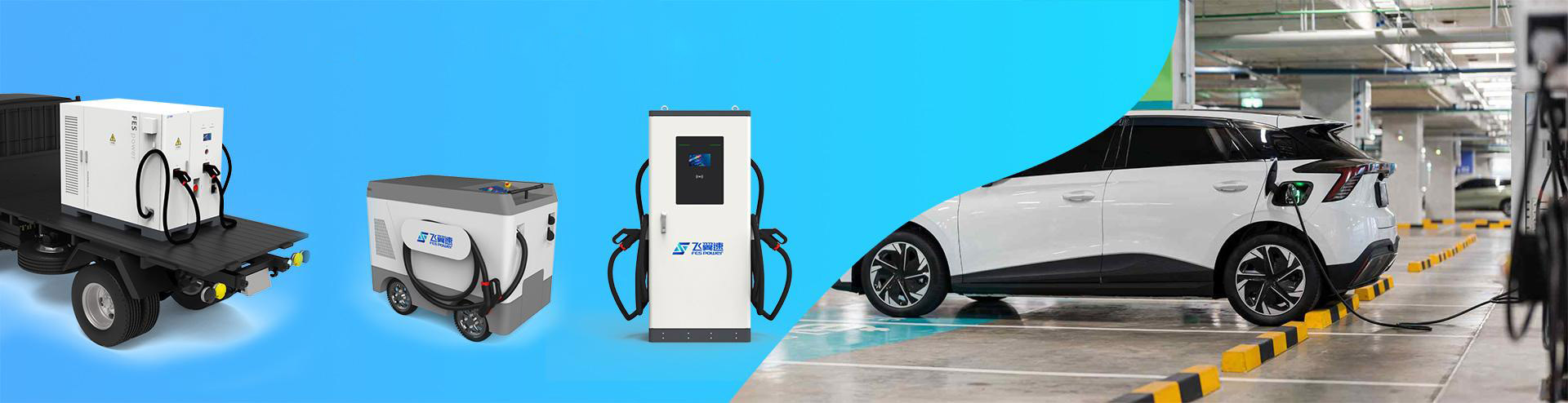
Mit der Weiterentwicklung der Ladeinfrastruktur für Elektrofahrzeuge werden Energiespeichersysteme (ESS) zu einer entscheidenden Komponente für schnelles, stabiles und kosteneffizientes Laden. Eines der wichtigsten Bauteile eines ESS ist der/die/das … BatterieDas Verständnis der Unterschiede zwischen verschiedenen Batterietechnologien kann Betreibern helfen, intelligentere Investitionsentscheidungen zu treffen.
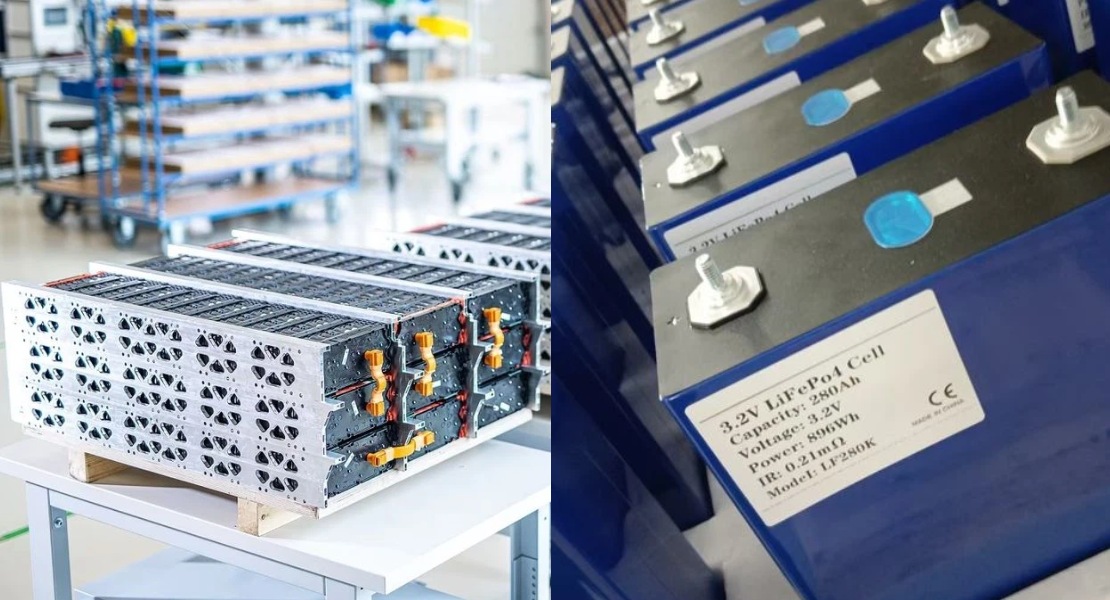
Dieser Artikel erläutert die Entwicklung der Batterietechnologien für Ladestationen, vergleicht die Vor- und Nachteile der wichtigsten Batterietypen und zeigt auf, wie FES Power die besten Lösungen in seine energieunterstützten Ladesysteme für Elektrofahrzeuge integriert.
🔎 Wie haben sich die in Energiespeichersystemen für Ladestationen verwendeten Batterien weiterentwickelt?
Frühe Ladestationen für Elektrofahrzeuge waren ausschließlich auf Netzstrom angewiesen. Mit dem Aufkommen von Hochleistungsladegeräten (120–720 kW) reichte der Netzstrom allein jedoch nicht mehr aus, da:
🔸Hohe Spitzenlastgebühren
🔸Einschränkungen der Netzverbindung
🔸Spannungsinstabilität in bestimmten Regionen
🔸Gestiegene Nachfrage nach schnellem, großflächigem Laden von Elektrofahrzeugen
Um diese Herausforderungen zu bewältigen, Batteriebasierte Energiespeicherung wurde eingeführt. Im Laufe des letzten Jahrzehnts haben sich ESS-Batterien in mehreren Stufen weiterentwickelt:
🔷Bleiakkumulatoren → veraltet aufgrund geringer Effizienz und hohem Gewicht
🔷LFP (Lithium-Eisenphosphat) wird aufgrund seiner Sicherheit zum Standard.
🔷NCM/NCA (Ternäres Lithium) wird für Hochleistungsanwendungen verwendet
🔷Natriumionenbatterien erobern die kalten Regionen und kostengünstige Projekte
🔷Festkörperbatterien erscheinen als zukünftige Lösungen mit hoher Energiedichte
Heutzutage verwenden die meisten ESS-Systeme von Ladestationen LFP, NCM, oder Natrium-Ion abhängig von Sicherheitsanforderungen, Kostenüberlegungen und Leistungsanforderungen.
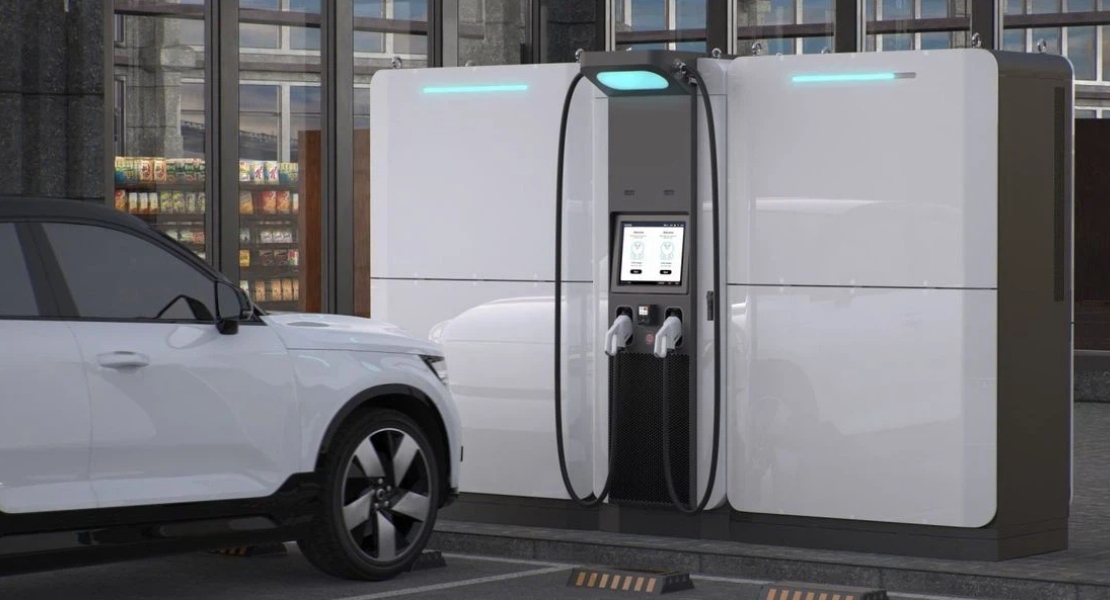
❓ Was sind die Vor- und Nachteile der einzelnen Batterietypen?
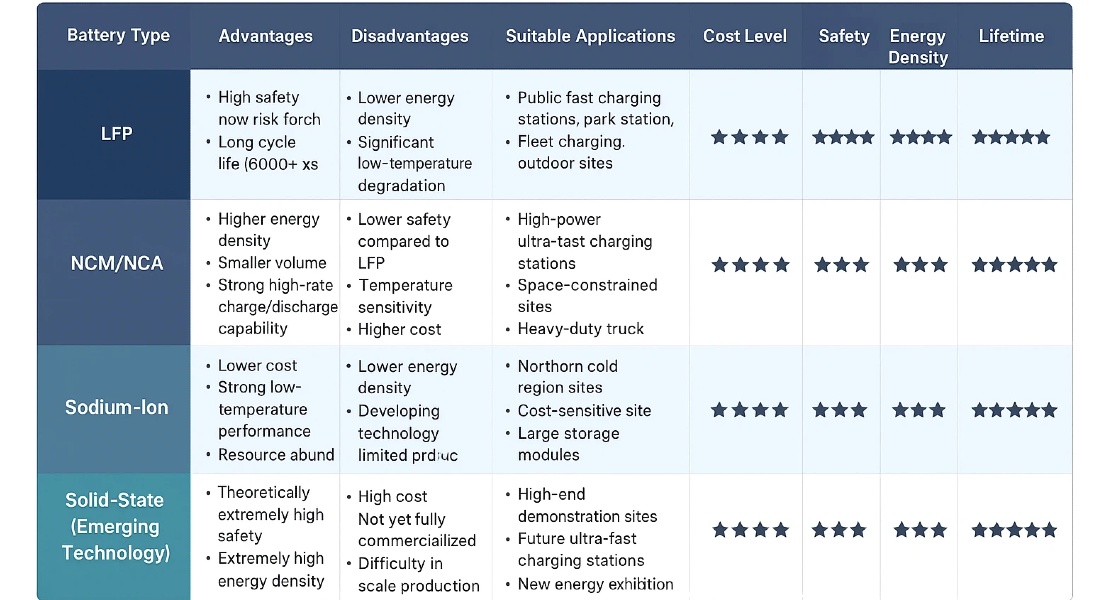
Nachfolgend finden Sie einen detaillierten technischen Vergleich, der häufig als Referenz für die Auslegung von Energiespeichersystemen (ESS) für Ladestationen von Elektrofahrzeugen herangezogen wird.
1. LFP (Lithium-Eisenphosphat) – Warum ist es so weit verbreitet?
Vorteile:
🔥 Hohe thermische Sicherheit; geringes Brandrisiko
📉 Lange Lebensdauer (4.000–8.000 Zyklen)
🌡 Starke Leistung bei hohen Temperaturen
💰 Geringere Kosten im Vergleich zu ternärem Lithium
🛠 Pflegeleicht
Nachteile:
⚡ Geringere Energiedichte → erfordert mehr physischen Platz
❄ Verminderte Leistung in kalten Klimazonen
Beste Anwendungsbereiche:
✔ Öffentliche Schnellladestationen
✔ Ladestationen für Logistikflotten
✔ Industrielle oder gewerbliche Ladestationen
2. Ternäres Lithium (NCM/NCA) – Warum wird es von ultraschnellen Ladegeräten bevorzugt?
Vorteile:
⚡ Sehr hohe Energiedichte
🔋 Starke Hochleistungs-Lade-/Entladefähigkeit
❄ Bessere Leistung bei niedrigen Temperaturen
Nachteile:
🔥 Geringere Sicherheit als LFP, erfordert strenges BMS-Management
💸 Höhere Kosten
🌡 Empfindlich gegenüber Überhitzung
Beste Anwendungsbereiche:
✔ Ultraschnellladestationen (350–720 kW)
✔ Platzbeschränkte ESS-Installationen
✔ Ladestationen für schwere Lkw
3. Natrium-Ionen-Batterien – Eine neue Option für kalte Regionen?
Vorteile:
❄ Sehr starke Leistung bei niedrigen Temperaturen
💰 Extrem niedrige Materialkosten
🔥 Hohe Sicherheit
🌍 Keine Ressourcenknappheitsprobleme (Natrium ist reichlich vorhanden)
Nachteile:
⚡ Geringere Energiedichte
🧪 Die Technologie entwickelt sich noch weiter
📦 Begrenzte Massenproduktion (Stand heute)
Beste Anwendungsbereiche:
✔ Nördliche Kaltregionen
✔ Kostensensible Infrastrukturprojekte
✔ Ladestationen mit hoher Kapazität
4. Festkörperbatterien – Sind sie die Zukunft der Energiespeichersysteme?
Vorteile:
🔥 Nahezu kein Risiko eines thermischen Durchgehens
⚡ Extrem hohe theoretische Energiedichte
🔁 Lange Lebensdauer
🌡 Hohe Stabilität auch bei extremen Temperaturen
Nachteile:
💸 Sehr hohe Kosten
🧪 Noch nicht weit verbreitet kommerzialisiert
🏭 Der Herstellungsprozess ist komplex
Beste Anwendungsbereiche:
✔ Hochwertige Demonstrationsladestationen
✔ Zukünftige ultraschnelle Ladestationen
✔ Technologiepräsentationen oder Pilotprojekte
⚡ Wie wählt FES Power die Batterien für verschiedene Ladeszenarien aus?
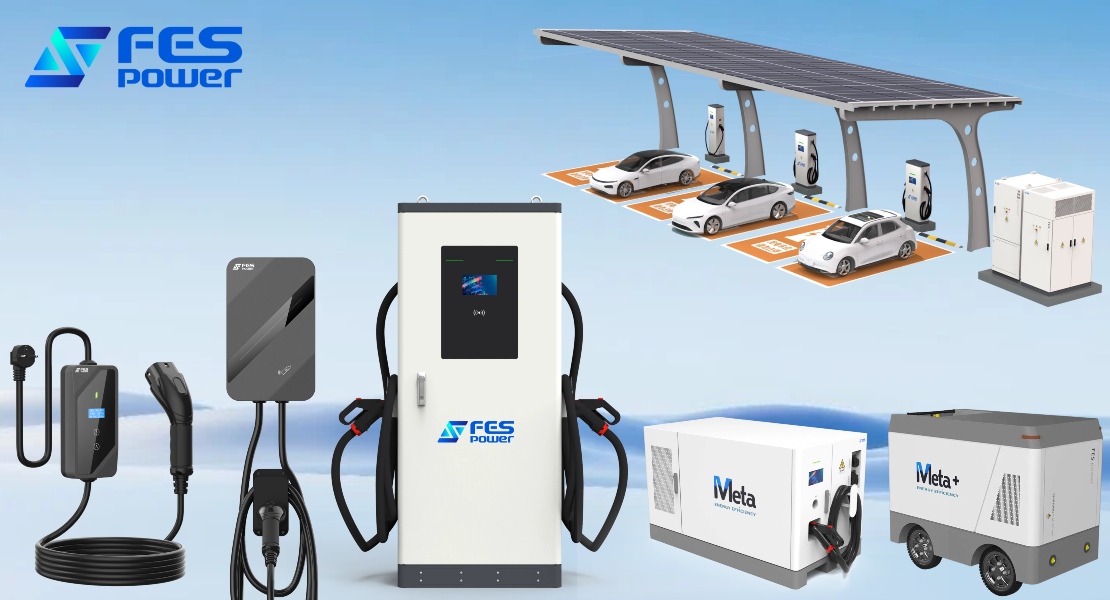
Bei FES Power entwickeln wir ESS-gestützte Ladelösungen für Elektrofahrzeuge unter Berücksichtigung von Sicherheit, Kosteneffizienz, Umweltbedingungen und der benötigten Ladeleistung.
Unser ESS-Portfolio:
🔋 Containerisiertes Energiespeichersystem (500 kWh – 2 MWh)
Unterstützt LFP und Natriumionen
Ideal für große öffentliche Ladestationen
🔋 Energiespeichersystem im Schrankformat (100 – 300 kWh)
Unterstützt LFP und ternäres Lithium
Geeignet für kleine oder beengte Schnellladestationen
⚡ Boost-Puffer-Energiesystem (für 180–720 kW DC-Ladegeräte)
Hochleistungsbatteriekonfigurationen (LFP oder NCM)
Ermöglicht ultraschnelles Laden auch bei schwachen Stromnetzbedingungen
🧠 EMS- und Energieoptimierungssystem
🔸Funktioniert mit allen Batterietypen
🔸Reduziert die Gebühren für Spitzenlastzeiten
🔸Maximiert den ROI der Ladestation
Durch die Auswahl optimaler Batterietechnologien unterstützt FES Power Ladeinfrastrukturbetreiber dabei, Folgendes zu erreichen:
🔸Niedrigere Betriebskosten
🔸Höhere Ladestabilität
🔸Höhere Ausgangsleistung
🔸Sichererer und zuverlässigerer Bahnhofsbetrieb
📌 Fazit: Welcher Akku eignet sich am besten für ESS-fähige Ladestationen?
Es gibt keinen universell „besten“ Batterietyp – es kommt auf den Anwendungsfall an:
🔸Wählen Sie LFP für mehr Sicherheit, lange Lebensdauer und allgemeine Schnellladestationen
🔸Wählen Sie NCM für ultraschnelles Laden oder Installationen mit begrenztem Platzangebot
🔸Natriumionen eignen sich für kalte Regionen und kostensensible Projekte.
🔸Betrachten Sie Solid-State als die Hochleistungsoption der nächsten Generation
Mit der richtigen ESS-Konfiguration können Ladestationen eine stabilere Stromversorgung, niedrigere Kosten und ein besseres Benutzererlebnis bieten und so die weltweite Akzeptanz von Elektrofahrzeugen beschleunigen.



 IPv6-Netzwerk unterstützt