
- Rufen Sie uns an : +86-15060765919
- Schicken Sie uns eine E-Mail : bella@fespower.cn
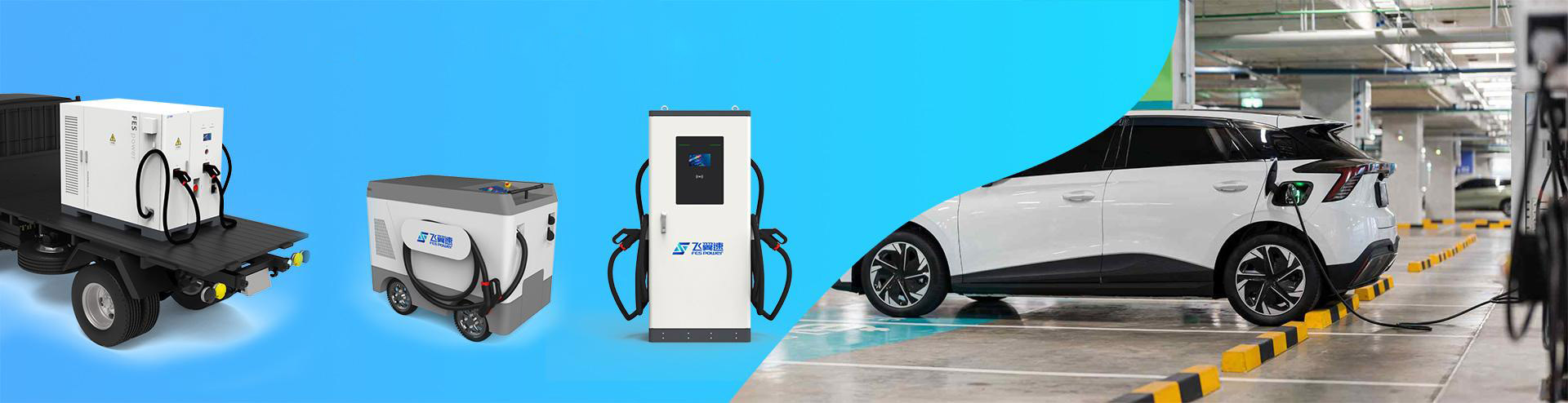
🤔Da sich Elektrofahrzeuge weltweit immer weiter verbreiten, planen immer mehr Nutzer die Installation einer Wandladestation zu Hause oder in ihren Geschäftsräumen. Doch eine zentrale Frage taucht immer wieder auf: Was muss vor der Installation vorbereitet werden und ist eine Genehmigung erforderlich?
Tatsächlich geht es bei der Installation einer Ladestation für Elektrofahrzeuge nicht nur um die Montage der Hardware an der Wand. Es geht um die elektrische Kapazität, lokale Vorschriften und mitunter um die Abstimmung mit Energieversorgungsunternehmen. Wer dies im Vorfeld weiß, kann viel Zeit und Kosten sparen.
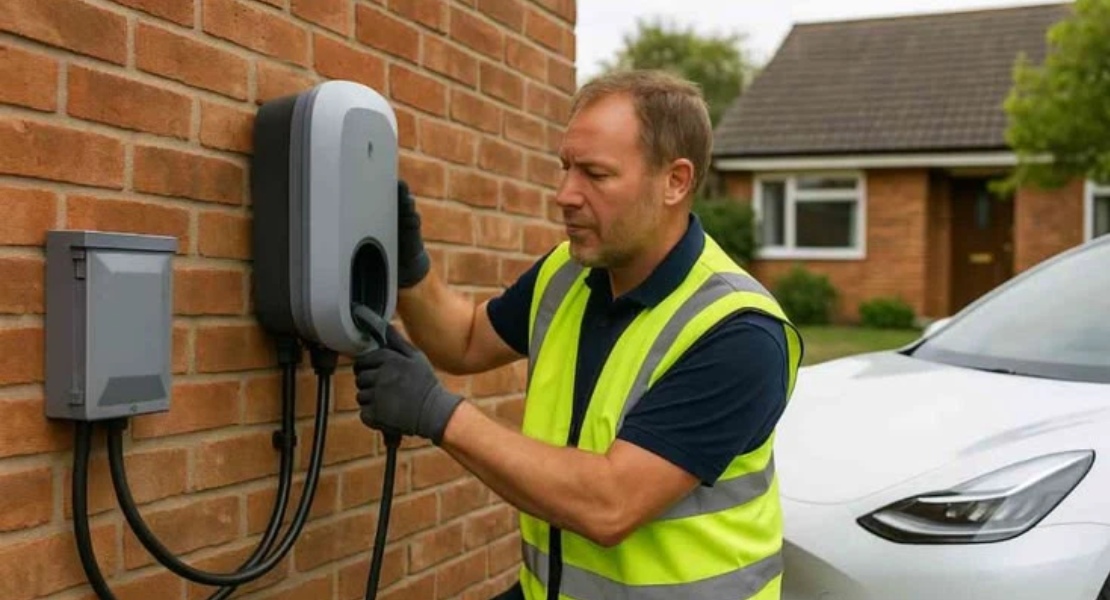
⚡Warum benötigen manche Installationen eine Genehmigung?
Im Gegensatz zu herkömmlichen Haushaltsgeräten verursachen Ladegeräte für Elektrofahrzeuge eine relativ hohe elektrische Last, die sich direkt auf die Netzstabilität und die Gebäudesicherheit auswirken kann.
Aus diesem Grund verlangen viele Länder eine Genehmigung, um eine ordnungsgemäße Erdung, einen zuverlässigen Schutz der Stromkreise und die Fähigkeit der bestehenden elektrischen Infrastruktur, die zusätzliche Leistungsaufnahme sicher zu bewältigen, zu gewährleisten. In älteren Gebäuden kann dieser Prozess sogar elektrische Modernisierungen erfordern, bevor die Installation erfolgen kann.
📄Was sollten Sie vor Ihrer Bewerbung vorbereiten?
In den meisten Regionen ist das Antragsverfahren ähnlich, auch wenn die Unterlagen variieren. Nutzer müssen in der Regel ihre Installationsberechtigung nachweisen und belegen, dass ihr Stromnetz für den Betrieb des Ladegeräts geeignet ist.
Dies beginnt oft mit der Prüfung der Eigentumsnachweise oder der Genehmigung durch Vermieter oder Hausverwaltung, insbesondere in Wohngemeinschaften. Gleichzeitig ist in der Regel eine Bewertung der elektrischen Kapazität erforderlich, um die verfügbare Last und den Zustand des Verteilerkastens zu ermitteln.
In vielen Fällen wird auch ein einfacher Installationsplan erwartet, der den Standort des Ladegeräts, die Kabelführung und die Sicherheitsvorkehrungen beschreibt. In stärker regulierten Märkten müssen gegebenenfalls zusätzliche Anträge auf Netzanschluss oder Lasterhöhung bei den örtlichen Energieversorgern eingereicht werden.
🌍Wie unterscheiden sich die Anforderungen in den verschiedenen Ländern?
Regionale Unterschiede können einen erheblichen Einfluss darauf haben, wie komplex der Prozess wird.
In vielen asiatischen Märkten wie Singapur oder Thailand sind die Versorgungsunternehmen eng eingebunden, und Genehmigungen sind oft auch für Installationen in Wohnhäusern erforderlich, insbesondere in Wohnungen, wo die Hausverwaltung eine wichtige Rolle spielt.
In Europa sind die Vorschriften zwar stärker standardisiert, aber auch strenger, wobei der Schwerpunkt zunehmend auf intelligenten Ladefunktionen und Energiemanagement liegt.
In den Vereinigten Staaten sind für die Installation in der Regel lokale Genehmigungen erforderlich und die geltenden Elektrovorschriften müssen eingehalten werden. Finanzielle Anreize und Rabatte stehen jedoch häufig zur Verfügung, um die Einführung zu fördern.
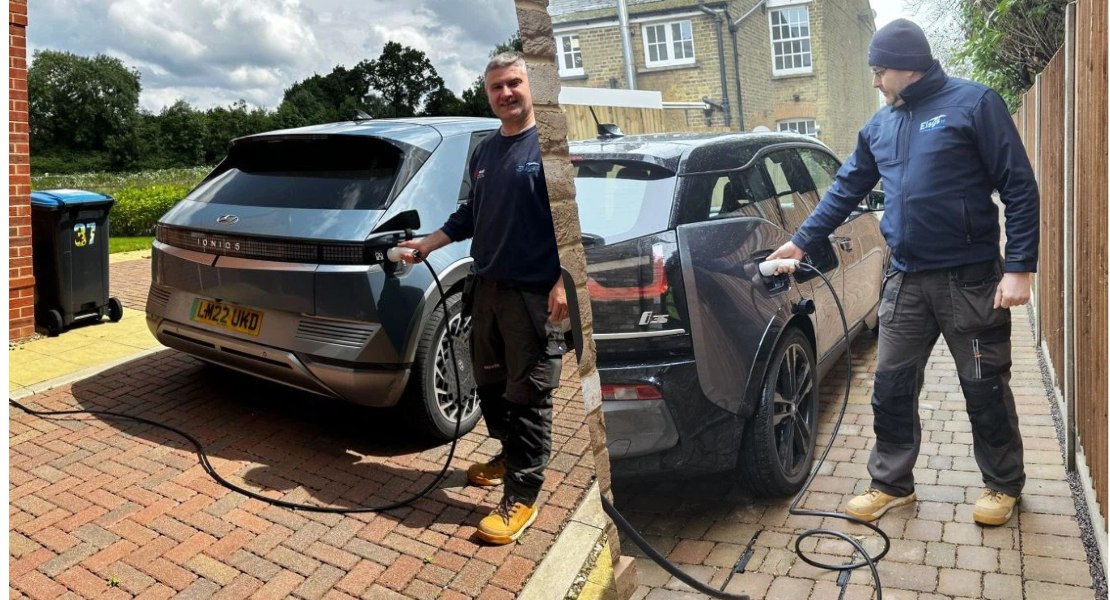
🔧Wie sieht der Installationsprozess aus?
Die Installation beginnt üblicherweise mit der Prüfung, ob ausreichend elektrische Kapazität vorhanden ist, gefolgt von der Vorbereitung der Verkabelung und der Sicherstellung einer ordnungsgemäßen Erdung.
Das Ladegerät wird anschließend sicher an der Wand montiert, üblicherweise in der Nähe des Parkplatzes, um es im Alltag bequem nutzen zu können. Sicherheitssysteme gewährleisten einen zuverlässigen Betrieb, und abschließend wird das System getestet, um eine stabile Ladeleistung und einwandfreie Funktion sicherzustellen.
⚠️Welche Herausforderungen begegnen Nutzern häufig?
In der Praxis stellt die begrenzte elektrische Kapazität eines der häufigsten Hindernisse dar, insbesondere in älteren Gebäuden.
Genehmigungsverfahren können ebenfalls Zeit in Anspruch nehmen, insbesondere wenn mehrere Beteiligte involviert sind. Darüber hinaus können die Installationskosten steigen, wenn Upgrades oder komplexe Verkabelungen erforderlich sind.
🚀Wie kann FES Power die Installation vereinfachen?
Die Wahl des richtigen Produkts kann sowohl die Installation als auch die Zulassung erheblich vereinfachen, und genau hier setzt die Entscheidung an. FES Power Lösungen stechen hervor.
Unsere wandmontierten Ladegeräte für Elektrofahrzeuge, die in der 7 kW bis 21 kW BereichSie bieten ein optimales Verhältnis von Leistung und Anpassungsfähigkeit. Dank dieser flexiblen Stromversorgung können Anwender unterschiedliche Netzkapazitäten leichter anpassen, wodurch die Wahrscheinlichkeit kostspieliger Aufrüstungen sinkt und gleichzeitig die Genehmigungsquote steigt. Die kompakte Bauweise macht sie zudem ideal für beengte Umgebungen wie Garagen oder Tiefgaragen.
Über die Anpassungsfähigkeit hinaus FES Power Die Wandladegeräte sind mit integrierten Sicherheitsvorkehrungen ausgestattet, die einen stabilen und vorschriftsmäßigen Betrieb in verschiedenen Märkten gewährleisten. Ihr Design ist zudem auf eine benutzerfreundliche Installation ausgelegt, wodurch Installateure Komplexität und Zeitaufwand vor Ort reduzieren können.
Für Anwender, die mit Installationsbeschränkungen konfrontiert sind oder auf Genehmigungen warten, bietet FES Power auch Folgendes an: Tragbare Ladegeräte für Elektrofahrzeuge mit einer Leistung von 3,5 kW bis 7 kW Diese Ladegeräte zeichnen sich durch Komfort und Flexibilität aus. Sie sind leicht zu transportieren und einfach zu bedienen und ermöglichen in vielen Situationen unkompliziertes Laden per Plug-and-Play. Besonders wertvoll sind sie als temporäre Lösung oder Backup, da sie einen unterbrechungsfreien Ladevorgang gewährleisten, selbst wenn die Infrastruktur noch nicht vollständig ausgebaut ist.
In der Praxis ermöglicht diese Kombination aus stationären und mobilen Lösungen den Nutzern einen reibungslosen Übergang zum Laden von Elektrofahrzeugen, ohne durch Infrastruktur- oder regulatorische Verzögerungen eingeschränkt zu werden.
Ist jetzt der richtige Zeitpunkt für die Installation? 📈
Da die Verbreitung von Elektrofahrzeugen weltweit zunimmt, steigt auch der Bedarf an Ladeinfrastruktur rasant. Verzögerungen bei der Installation könnten zukünftig zu längeren Genehmigungsverfahren und höheren Kosten führen.
💡Gleichzeitig werden die Vorschriften strukturierter, und Anreize stehen möglicherweise nicht ewig zur Verfügung, wodurch die frühzeitige Einführung zu einer strategischeren Entscheidung wird.Schlussbetrachtung
Bei der Installation einer wandmontierten Ladestation für Elektrofahrzeuge geht es nicht nur um die Hardware – es bedarf Planung, Einhaltung der Vorschriften und der richtigen Produktstrategie.
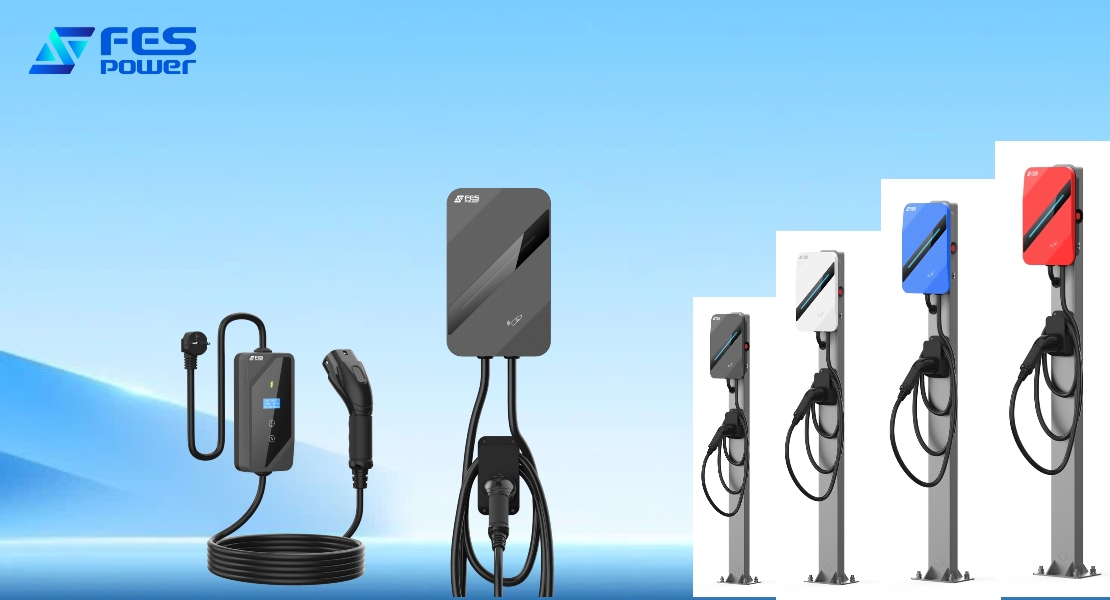
Indem man die lokalen Anforderungen versteht und flexible Lösungen wie die von FES PowerNutzer können die Komplexität deutlich reduzieren und gleichzeitig die langfristige Zuverlässigkeit sicherstellen. Die Kombination eines 7–21 kW Wandladegerät für tägliche Effizienz mit einem Tragbares Ladegerät mit 3,5–7 kW für mehr Flexibilität schafft ein praktisches und zukunftssicheres Ladesystem.



 IPv6-Netzwerk unterstützt